Understanding the Reggio Emilia Approach
At the core of modern preschool education lies the Reggio Emilia Approach, a pedagogical philosophy that fosters young learners' natural curiosity and creativity. This approach emphasizes the importance of community, collaboration, and the environment in cultivating a child's learning experience. Originating from the Reggio Emilia region in Italy, this method recognizes children as powerful and competent individuals who construct their own learning through meaningful interactions with their environment and peers.
What is the Reggio Emilia Approach?
The Reggio Emilia Approach is a child-centered educational philosophy that emerged in the aftermath of World War II, developed by Loris Malaguzzi and the parents of Reggio Emilia. It presents a compelling alternative to traditional education, advocating for a more holistic view of childhood learning. Instead of viewing children as empty vessels to be filled with knowledge, it celebrates their potential to explore, question, and interpret the world around them. This methodology integrates different aspects of learning, incorporating art, science, and social interaction as fundamental components of education.
Key Principles of Reggio Emilia Approach
- Child-Centric Learning: Children are seen as active participants in their own education. They are encouraged to express their thoughts, ask questions, and explore their interests freely.
- The Role of Families: Collaboration with families is essential. Parents are considered partners in the educational process, contributing their insights and experiences.
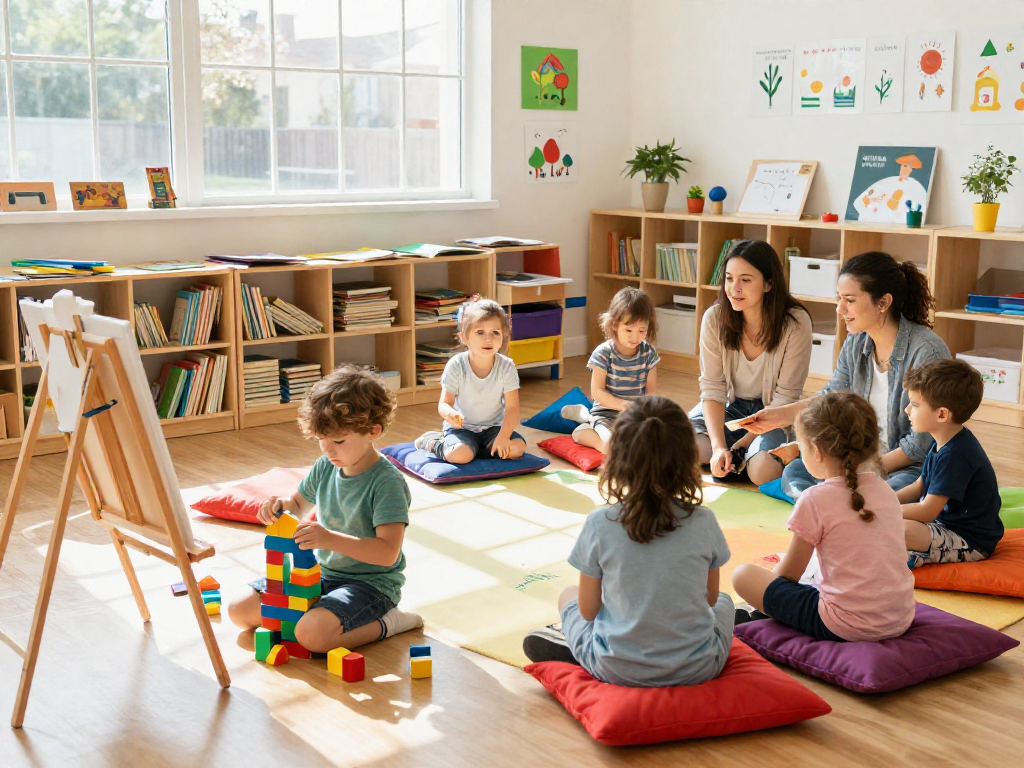
- The Environment as a Teacher: Classrooms are designed to be inviting and stimulating, reflecting the children's interests and encouraging exploration and discovery.
- Documentation of Learning: Teachers document children’s work and thoughts through various media, showcasing their learning progress and fostering reflective practice.
- Community Connections: Education extends beyond the classroom, involving the community and fostering relationships that help children understand their place in the world.
The Role of the Environment as the Third Teacher
One of the defining characteristics of the Reggio Emilia Approach is the concept of "the environment as the third teacher." In this framework, the physical environment is intentionally designed to inspire children and provoke their curiosity. Classrooms feature natural light, open spaces, and accessible materials that encourage exploration. Outdoor play areas incorporate gardens, nature trails, and art installations to stimulate children's sensory experiences. This thoughtful design not only enhances creativity but also promotes collaboration and communication among peers.
Benefits of the Reggio Emilia Approach for Child Development
The Reggio Emilia Approach contributes significantly to a child's holistic development, nurturing skills and competencies that are essential in today's world. Through a focus on inquiry-based learning, children gain essential life skills that prepare them for future challenges.
Fostering Creativity and Critical Thinking
In an environment that encourages exploration, children develop creativity and critical thinking skills. They engage in hands-on projects, collaborating with peers to solve problems and create original works. This empowerment fosters a sense of ownership over their learning, enhancing their self-esteem and confidence. By encouraging children to think critically, the Reggio Emilia Approach prepares them for complex problem-solving in their academic and personal lives.
Encouraging Social and Emotional Growth
The emphasis on collaborative learning in the Reggio Emilia Approach promotes social and emotional development. As children work together, they learn vital social skills such as negotiation, empathy, and teamwork. These interactions help children build strong relationships and develop a sense of belonging within their community. Furthermore, the approach values emotional expression, encouraging children to articulate their feelings and understand others' emotions, which is crucial for their overall well-being.
Enhancing Language Development through Inquiry
Language development is another area significantly enhanced by the Reggio Emilia Approach. As children engage in discussions, storytelling, and exploration, their vocabulary and communication skills flourish. The inquiry-based nature of learning invites children to ask questions and share their thoughts, promoting language skills that are fundamental to their learning journey. This approach creates a rich linguistic environment where children are motivated to express themselves in various forms, including oral, written, and artistic communication.
Implementing the Reggio Emilia Approach in Preschool Settings
To successfully implement the Reggio Emilia Approach, preschool educators must create engaging and dynamic learning environments that resonate with children's interests and developmental needs. This involves careful planning and collaboration among teachers, families, and the community.
Creating Engaging Learning Environments
Classrooms should be vibrant, dynamic spaces filled with opportunities for exploration. This can include art stations, science inquiry tables, and reading corners that reflect children's current interests. Educators must remain flexible, adapting the environment based on children's evolving curiosities and inquiries. Additionally, the integration of outdoor learning spaces allows for hands-on experiences with nature, significantly enriching the educational process.
Using Documentation to Track Learning Progress
Documentation plays a critical role in the Reggio Emilia Approach. Educators observe and record children's activities, conversations, and projects, creating a visual representation of their learning journey. This documentation not only helps track individual progress but also serves as a tool for reflection and discussion among educators, children, and parents. Such practices foster a deeper understanding of each child's unique learning style and needs.
Parental Involvement in the Reggio Emilia Approach
Engaging parents and guardians in the educational process is vital in the Reggio Emilia Approach. Schools encourage open communication and collaboration, inviting families to participate in classroom activities, share their expertise, and provide feedback on their child's learning. This partnership enhances the educational experience, making learning a shared responsibility between the school and home, which is crucial for fostering a supportive learning community.
Challenges and Misconceptions about the Reggio Emilia Approach
Despite its numerous benefits, the Reggio Emilia Approach can face challenges and misconceptions. Understanding and addressing these issues is essential for educators, parents, and policymakers.
Common Myths Debunked
One common misconception is that the Reggio Emilia Approach lacks structure and rigor. In reality, it incorporates structured learning through inquiry and exploration, ensuring children meet developmental milestones. Furthermore, some believe that this approach is only suitable for affluent communities; however, the principles of the Reggio Emilia Approach can be adapted to diverse settings, making it accessible for all learners.
Addressing Concerns from Parents and Educators
Parents may worry about their child's academic preparedness in a less traditional learning environment. It is vital to communicate the long-term benefits of the Reggio Emilia Approach, emphasizing that skills gained through inquiry will provide a strong foundation for future learning. Educators must also be equipped with the necessary training to effectively implement this approach, fostering confidence and competence in their teaching practices.
Strategies to Overcome Implementation Challenges
To successfully implement the Reggio Emilia Approach, schools can provide professional development for educators, ensuring they are well-versed in the philosophy and strategies. Creating a supportive community among teachers will allow for shared insights and collaborative problem-solving. Additionally, schools should seek feedback from parents consistently, engaging them in discussions about their children's learning experiences.
The Future of Early Childhood Education: Trends for 2026 and Beyond
As the education landscape evolves, there are emerging trends that will shape the future of early childhood education, particularly for approaches like Reggio Emilia.
Integrating Technology in a Reggio-Inspired Curriculum
Incorporating technology into the Reggio Emilia Approach can enhance learning experiences while maintaining the core principles of exploration and inquiry. Digital tools can support documentation and allow children to present their projects creatively. Virtual field trips and online collaborations with peers around the world can broaden children's perspectives and enrich their learning environment.
Global Perspectives: Adapting Reggio Emilia Worldwide
The Reggio Emilia Approach is gaining recognition globally, inspiring educators to adapt its principles within different cultural contexts. As countries around the world embrace this methodology, it becomes crucial to respect and incorporate local traditions and values into the curriculum, creating a unique blend of educational practices that resonate with the community.
Preparing Children for Lifelong Learning
In the fast-changing world of the 21st century, emphasizing lifelong learning is more important than ever. The Reggio Emilia Approach prepares children to be adaptable and resilient, equipping them with skills to navigate an uncertain future. By fostering curiosity, creativity, and collaboration, educators can create a generation of learners who are not just prepared for school but for life.
How Does the Reggio Emilia Approach Compare to Traditional Education?
Unlike traditional education, which often centers on standardized testing and rote memorization, the Reggio Emilia Approach prioritizes children's questions, interests, and experiences as the foundation for learning. This method encourages deeper understanding and retention of knowledge, preparing children to think critically and interact meaningfully with the world around them. The contrast lies in the process of learning, where the journey is celebrated as much as the outcome.