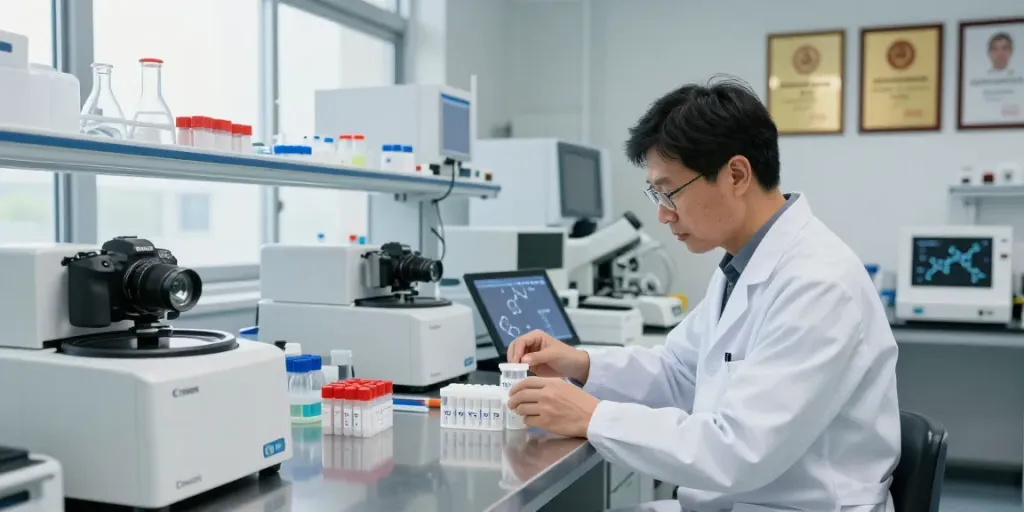
Introduction to a1 Compounds Peptides
The world of scientific research is continually evolving, and one of the most promising areas is peptide research. Peptides, which are short chains of amino acids, play a crucial role in various biological functions and have garnered significant attention for their potential applications in medicine and biotechnology. Among the numerous peptide options available, a1 compounds peptides stand out due to their high purity and efficacy, making them a preferred choice among researchers. This article delves into the essentials of a1 compounds peptides, their applications, benefits, challenges, and future trends in the field.
What are a1 compounds peptides?
A1 compounds peptides are a specific category of research-grade peptides characterized by their high level of purity (typically 99% or greater). These peptides are synthesized meticulously for use in various scientific applications, including but not limited to, immunology, regenerative medicine, and cancer research. Each peptide in this category is tailored to meet specific research needs, ensuring that scientists have the best materials to work with in their studies. The term "a1" often refers to the quality and consistency of the peptides, underscoring the reliability of the materials sourced for research purposes.
Importance of a1 compounds peptides in scientific research
The significance of a1 compounds peptides in scientific research cannot be overstated. These peptides serve as critical tools in understanding biological processes, facilitating advancements in drug development, therapeutic applications, and disease treatment. Their specific sequences and structures allow researchers to explore interactions at a molecular level, which is essential for dissecting complex biological pathways. Furthermore, their high purity levels minimize variance in experimental results, which is crucial for achieving reproducible and reliable discoveries in research.
Overview of peptide synthesis methods
The synthesis of peptides has evolved significantly over the years, leading to more efficient and accurate production methods. There are several key methods used in synthesizing a1 compounds peptides, including:
- Solid-phase peptide synthesis (SPPS): This method allows for the stepwise assembly of peptides on a solid support, enabling precise control over the sequence of amino acids.
- Liquid-phase synthesis: An older technique that involves the synthesis of peptides in solution, though it is less commonly used today due to challenges in purification and yield.
- Recombinant DNA technology: This method utilizes genetically modified organisms to produce peptides, offering the advantage of post-translational modifications that can enhance peptide functionality.
Applications of a1 Compounds Peptides
Research applications in immunology
In the field of immunology, a1 compounds peptides have gained prominence for their role in modulating immune responses. They can mimic natural peptides involved in immune signaling, thereby serving as potential therapeutic agents in vaccine development and treatment of autoimmune diseases. For instance, certain a1 peptides have been shown to enhance T-cell activation, making them valuable tools in both basic immunological research and clinical applications.
Use in regenerative medicine and healing
A1 compounds peptides are emerging as key players in regenerative medicine, particularly in the repair and regeneration of tissues. Certain peptides have demonstrated the ability to stimulate cellular proliferation and migration, which are vital processes in wound healing. Additionally, they can promote angiogenesis, the formation of new blood vessels, thereby enhancing tissue repair in patients with chronic wounds or injuries.
Potential in cancer treatment studies
The potential of a1 compounds peptides in cancer treatment is an exciting area of research. Some peptides can selectively target cancer cells while sparing healthy tissues, leading to more effective and less toxic treatments. Researchers are investigating the use of these peptides in targeted therapies and immunotherapies, aiming to improve treatment outcomes for patients with various cancers. Early studies suggest that a1 peptides could help in the delivery of chemotherapeutic agents directly to tumors, increasing efficacy and reducing side effects.
Benefits and Effectiveness of a1 Compounds Peptides
Purity and quality standards for research-grade peptides
One of the most significant advantages of a1 compounds peptides is their adherence to high purity and quality standards. Each batch undergoes rigorous testing to ensure it meets or exceeds the standards required for research use. This quality assurance is critical, as impurities in peptides can lead to erroneous results in experiments, jeopardizing the integrity of the research. By choosing high-quality peptides, researchers can trust that their findings will be reliable and reproducible.
Benefits over traditional treatment methods
A1 compounds peptides offer several benefits over traditional treatment methods. They provide a more targeted approach to therapy, which can lead to fewer side effects and enhanced efficacy. Unlike broad-spectrum drugs that can affect multiple systems in the body, peptides can be designed to specifically interact with certain receptors or pathways, thus maximizing therapeutic effects while minimizing adverse reactions. Additionally, the modular nature of peptides allows for the rapid development of new compounds tailored to the evolving needs of research and medicine.
Case studies demonstrating effectiveness
Case studies involving a1 compounds peptides have shown promising results across various fields. For example, studies on wound healing have demonstrated significant improvements when using specific peptides that promote fibroblast growth. In cancer research, peptides have been utilized in targeted delivery systems that showed a reduction in tumor size in animal models. These case studies validate the effectiveness of a1 compounds peptides and highlight their potential for future applications in clinical settings.
Challenges in Working with a1 Compounds Peptides
Common misconceptions about peptide research
Despite their potential, there are several misconceptions regarding peptide research. One common myth is that all peptides are safe and suitable for human use. However, many peptides, including a1 compounds peptides, are intended strictly for research purposes and have not been evaluated for safety or efficacy in humans. It is critical for researchers to understand the specific applications and limitations of peptides to avoid misconceptions that could lead to misuse or misinterpretation of results.
Quality control challenges in peptide production
Quality control is paramount in peptide production, yet it poses several challenges. The complex nature of peptide synthesis means that even small deviations in the synthesis process can result in significant changes to the peptide's activity. Maintaining consistent quality requires stringent quality assurance practices at all stages of production, from raw materials to final product testing. Researchers must work closely with suppliers to ensure that quality standards are met consistently.
Regulatory considerations for peptide use
Another challenge in peptide research is navigating the regulatory landscape. The use of peptides in research is subject to various regulations depending on the country and specific use case. Researchers must be well-informed about the legal requirements governing the use of a1 compounds peptides and ensure compliance to avoid potential legal and ethical issues.
Future Trends in Peptide Research
Emerging developments in peptide therapeutics
The future of peptide research is bright, with numerous emerging developments poised to transform the landscape. Advances in peptide engineering and synthesis techniques could lead to the creation of novel peptides with enhanced stability and bioactivity. Researchers are also exploring the potential of multifunctional peptides that can address multiple therapeutic targets simultaneously, creating more effective treatments.
The role of technology in peptide research advancements
Technology will play a critical role in the future of peptide research. High-throughput screening methods and computational modeling are already being utilized to accelerate peptide discovery and optimization. These technologies enable researchers to quickly evaluate the effectiveness of various peptide sequences, leading to more rapid developments in therapeutics across multiple fields.
Predictions for the peptide market in 2026
Looking ahead to 2026, the peptide market is expected to experience significant growth. With increasing investments in biotechnology and pharmaceuticals, alongside a growing understanding of the potential of peptides in various therapeutic areas, the demand for a1 compounds peptides will likely rise. Additionally, as personalized medicine becomes more mainstream, peptides that can be tailored to individual patient needs will gain traction, further driving market expansion.
What are the top 3 peptides?
In the peptide research community, the top peptides often highlighted include insulin, which is vital for diabetes management; glutathione, an antioxidant critical for cellular health; and oxytocin, known for its roles in social bonding and reproductive behaviors. These peptides are studied extensively due to their wide-ranging effects on human health.
Are peptides a drug or steroid?
Peptides are distinct biological molecules and should not be categorized as traditional drugs or steroids. While they can have therapeutic effects, they work through different mechanisms than steroids and do not share the same risks or side effects. Their categorization primarily depends on their intended use and regulatory classification.
What do alpha peptides do?
Alpha peptides, including a1 compounds peptides, typically refer to peptides with specific biological activities. They may function in signaling pathways, immune modulation, or tissue repair, making them valuable in various research and therapeutic contexts.
How do you properly store a1 compounds peptides?
Proper storage of a1 compounds peptides is crucial for maintaining their stability and efficacy. Peptides should generally be stored in a cool, dry place, away from light, and at the temperatures recommended by the manufacturer. Often, they should be kept in a freezer for long-term storage to prevent degradation.
What should I consider when purchasing peptides?
When purchasing peptides, several key factors should be considered, such as the supplier's reputation, the purity of the peptides, and the availability of quality documentation. It's also essential to verify that the peptides are intended for research use only and not for human consumption.