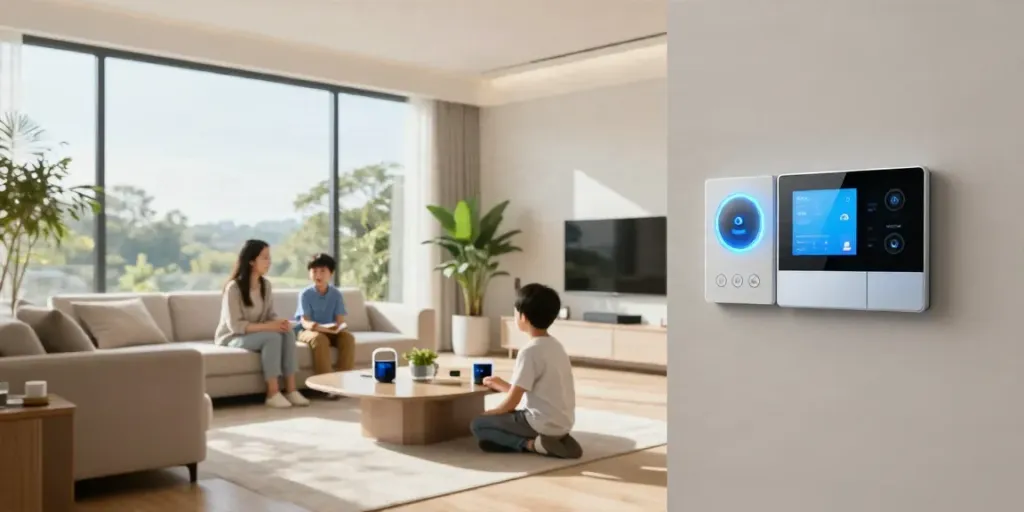
Understanding the Basics of Smart Homes
As technology continues to evolve, the concept of a smart home has grown from a novel idea to a significant trend in homeownership. A smart home integrates various technologies and devices to enhance convenience, security, and energy efficiency. This transformation fosters an environment where homeowners can control their living spaces through smartphones and voice-activated systems, making mundane tasks more manageable and providing peace of mind. By adopting smart home technologies, individuals experience not only increased comfort but also potential cost savings over time.
For those interested in diving deeper into the realm of smart homes, جهان اسمارت offers a plethora of insights and solutions tailored for modern living.
What is a Smart Home?
A smart home is equipped with devices that automate tasks traditionally performed by humans. This technology connects various home appliances and systems—such as lighting, heating, and security—allowing for remote management via smartphones, tablets, or home assistants. The beauty of smart homes lies in their ability to learn from user behavior, enabling a personalized experience that streamlines daily activities.
The Importance of Home Automation
Home automation is not just about convenience; it also brings significant benefits in terms of security and energy efficiency. Automated systems can deter potential burglars by using smart lighting to create the illusion of occupation. Additionally, smart thermostats and energy management systems can adjust energy consumption based on the homeowner's routine, reducing energy bills and minimizing environmental impact.
Key Components of a Smart Home System
- Smart Lighting: Can be controlled remotely, allowing homeowners to adjust brightness and color, set schedules, and create scenes.
- Smart Security Systems: Include smart locks, cameras, and alarm systems that provide real-time monitoring and alerts.
- Smart Thermostats: Regulate heating and cooling based on occupancy and preferences, leading to energy savings.
- Smart Appliances: Such as refrigerators, ovens, and washing machines that offer remote control and automation features.
- Voice Assistants: Devices like Amazon Alexa and Google Assistant that allow voice control of other smart home devices.
Challenges in Smart Home Implementation
Despite the numerous benefits that smart homes offer, implementing these technologies can present certain challenges. Understanding these challenges can help homeowners make informed decisions about their smart home investments.
Common Misconceptions about Smart Homes
One of the prevalent misconceptions is that smart homes are prohibitively expensive. While the initial investment can be substantial, many solutions are available at various price points, making them accessible to a broader audience. Moreover, the long-term savings on energy bills often outweigh the upfront costs.
Technical Barriers to Adoption
Another significant barrier is the complexity of installation and integration. Some homeowners may feel overwhelmed by the prospect of setting up numerous devices and ensuring compatibility among them. However, many companies now offer comprehensive installation services that can alleviate these concerns.
Ways to Overcome Implementation Challenges
- Education: Homeowners should invest time in understanding smart home technologies to make informed choices.
- Professional Installation: Seeking help from professionals can ensure compatibility and proper setup, mitigating technical issues.
- Start Small: Implementing one or two devices at a time can make the transition more manageable.
Trends Shaping the Future of Smart Homes
The smart home industry is continuously evolving, driven by advancements in technology and changing consumer preferences. Staying updated with the latest trends is essential for homeowners looking to adopt these innovations.
Emerging Technologies in Home Automation
Artificial Intelligence (AI) and machine learning are becoming increasingly integrated into smart home systems. These technologies enable devices to learn user habits and preferences, which can optimize automation and improve user experience.
Increased Focus on Security & Privacy
As smart homes become more prevalent, so do concerns about security and privacy. Manufacturers are responding by enhancing encryption and security protocols to protect user data and prevent unauthorized access to connected devices.
Energy Efficiency and Sustainability Trends
With a growing emphasis on sustainability, the demand for energy-efficient smart home solutions is rising. Devices that reduce energy consumption not only help in saving costs but also contribute to a larger movement towards environmental responsibility.
The Role of User Experience in Smart Homes
A successful smart home integrates technology in a way that enhances user experience rather than complicating it. Designers and developers are focusing on creating intuitive interfaces and seamless integrations.
Designing User-Friendly Smart Home Interfaces
Smart home interfaces should be straightforward and easy to navigate. A clean design with minimal steps required to control devices ensures that all family members, regardless of their tech-savviness, can operate the system comfortably.
Integrating Voice Control and AI Assistants
Voice control is transforming the way users interact with their smart homes. By allowing homeowners to issue voice commands, these systems become more accessible, enhancing the overall experience.
User Feedback and Continuous Improvement
Manufacturers that prioritize user feedback in their development process can create products that better meet consumer needs. Continuous improvement based on real-world usage leads to more effective and user-friendly smart home solutions.
Future Predictions for Smart Home Technologies
As we look towards 2026, several trends are likely to shape the smart home landscape, leading to even more innovative solutions.
What to Expect by 2026
By 2026, we can expect a significant evolution in smart home technologies, including greater interoperability among devices and the prevalence of 5G connectivity, which will enhance the performance and reliability of smart systems.
Potential Market Growth and Adoption Rates
The smart home market is predicted to grow exponentially, with more consumers recognizing the benefits of automation. As more affordable solutions become available, adoption rates are expected to increase significantly.
Conclusion: The Future Impact on Homeowners
Smart home technology holds the promise of revolutionizing the way we live. As systems become more integrated and user-friendly, homeowners can expect enhanced convenience, security, and energy savings, ultimately transforming their living spaces into smart environments.
What are the benefits of smart home systems?
Smart home systems provide numerous benefits, including greater convenience and security, energy efficiency, and improved home management capabilities. These technologies enable homeowners to control various aspects of their homes remotely, ensuring peace of mind and better management of resources.
How does smart home technology enhance security?
Smart home technology enhances security through features such as remote monitoring, smart locks, and alarm systems that notify homeowners of any unusual activities. These technologies allow users to keep an eye on their property from anywhere, increasing safety.
What trends should I watch for in smart home technology?
Key trends to watch include advancements in AI, increased emphasis on security and privacy, and innovations in energy-efficient devices. These trends will shape the future landscape of smart homes and influence consumer choices.
How can I integrate smart home devices into my existing home?
Integrating smart home devices into your existing home can be done gradually. Start with a central hub that connects various devices, then add specific products that meet your needs, such as smart lighting or security systems. Professional installation services can help streamline this process.
Are there significant energy savings with smart homes?
Yes, smart homes often lead to significant energy savings through optimized energy consumption. Smart thermostats and lighting systems adjust settings based on occupancy and usage, reducing waste and lowering utility bills.