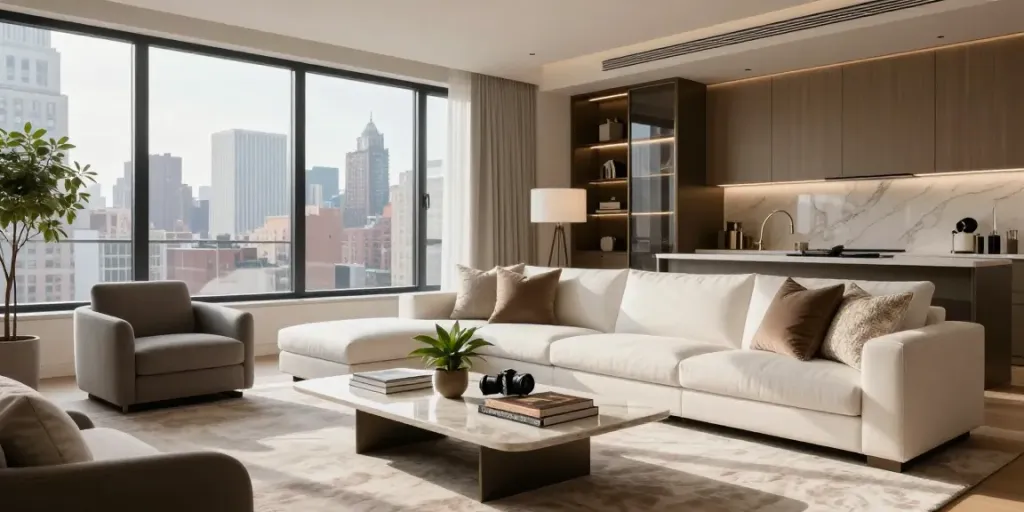
The Importance of Custom Interior Design in Brooklyn
In the vibrant landscape of Brooklyn, where culture and creativity converge, the demand for interior design brooklyn ny has grown significantly. Homeowners are not just looking for aesthetic appeal; they seek designs that resonate with their individual lifestyles and preferences. This shift towards personalized design is reshaping interiors throughout the borough, as residents recognize that a well-designed space can enhance their quality of life. Custom interior design not only reflects personal aesthetics but also supports functionality, maximizing the potential of every square foot.
Understanding the Demand for Interior Design Brooklyn NY
Brooklyn's real estate market is diverse, ranging from historic brownstones to modern high-rises, each requiring unique design solutions. Homeowners are increasingly aware that generic designs do not cater to their specific needs, leading to a surge in demand for tailored design services. Understanding this landscape is crucial for any homeowner considering an upgrade or renovation.
With the rise of remote work, many are now interested in creating multifunctional spaces that serve as both home and office. This necessitates innovative approaches to interior design that prioritize not only looks but also practical use. Designers in Brooklyn must keep pace with these evolving expectations, offering solutions that are both stylish and adaptable.
Benefits of Personalized Design Solutions
Personalized interior design offers numerous benefits that go beyond mere aesthetics:
- Enhanced Functionality: A customized design considers the daily routines and preferences of its inhabitants, ensuring spaces are not just beautiful but practical.
- Emotional Well-Being: Surrounding oneself with a thoughtfully curated environment can lead to improved mental health and happiness.
- Increased Property Value: Quality renovations and personalized designs can significantly boost the resale value of a home, making it a worthy investment.
How Custom Interiors Enhance Property Value
Investing in custom interior design is not merely an expense; it’s a strategic move that can yield significant returns. Customized spaces that resonate with potential buyers can lead to quicker sales and higher offers. Properties that feature high-quality materials, bespoke cabinetry, and thoughtful design elements stand out in Brooklyn’s competitive real estate market.
Luxury on a Budget: Making Design Accessible
Many homeowners in Brooklyn often equate luxury with exorbitant costs, but achieving refined interiors on a budget is entirely possible. The key lies in smart decision-making and understanding how to prioritize spending on essential design elements.
Defining Refined Luxury without Breaking the Bank
Refined luxury does not necessarily mean high price tags. It encompasses quality, craftsmanship, and thoughtful curation. Homeowners can achieve a luxurious feel by selecting key pieces that provide high impact, such as a statement piece of artwork or custom-built furniture tailored to their needs.
Cost-effective Strategies for Homeowners
Homeowners can explore various strategies to maintain quality while being cost-conscious:
- Prioritize Key Areas: Focus on high-traffic areas such as kitchens and living rooms where quality design will have the most impact.
- Repurposing Existing Furniture: Upcycling or refurbishing old furniture can inject character without the need for new purchases.
- Invest in Timeless Elements: Choose design elements that stand the test of time rather than fleeting trends.
Quality vs. Affordability in Furniture Choices
The balance between quality and affordability often presents a challenge. However, opting for a mix of high-end and budget-friendly items can create a cohesive look without compromising on style. Custom furniture that is both affordable and durable can elevate a space while staying within budget constraints.
Key Components of Modern Interior Design
To create a harmonious living environment, various components must be thoughtfully integrated into the design. Understanding these elements can greatly enhance the overall aesthetic and functionality of a space.
Essential Elements: Color, Texture, and Lighting
Color choices set the mood for any room. Light, neutral palettes can expand a space and create a serene atmosphere, while bold colors can add energy and character. Texture plays a vital role in creating visual interest; mixing materials such as wood, metal, and fabrics can produce a layered look. Meanwhile, strategic lighting enhances both functionality and ambiance, transforming how spaces are perceived.
Incorporating Custom Cabinetry and Furniture
Custom cabinetry and furniture are central to creating personalized spaces. These elements not only optimize storage solutions but also contribute significantly to the overall design aesthetic. Investing in tailor-made options ensures that every inch of space is utilized effectively, providing both beauty and practicality.
Balancing Aesthetics with Functionality
The challenge of modern interior design lies in blending aesthetics with functionality. A beautiful space that doesn't serve its purpose can lead to frustration. Therefore, designers must carefully consider the needs of the inhabitants while crafting visually pleasing environments. This balance is essential for creating homes that look good and work well.
Case Studies: Successful Transformations in Brooklyn
Analyzing real-life transformations can provide valuable insights into the impact of customized interior design. Here, we explore noteworthy projects that exemplify the power of bespoke design.
Highlighting Notable Projects
One standout project involved the complete redesign of a historic brownstone in Park Slope. By combining contemporary design elements with the building's architectural integrity, the designer created a cohesive space that respected its heritage while meeting modern needs. Custom finishes and furniture were integral to this transformation, showcasing the effectiveness of tailored design.
Client Experiences and Testimonials
Clients often express their satisfaction with personalized design experiences, noting the profound impact on their daily lives. Many report increased comfort and enhanced enjoyment of their spaces, emphasizing the importance of working with knowledgeable designers who understand their vision.
Lessons Learned and Best Practices
Successful interior design projects often highlight the importance of communication and collaboration. Engaging clients throughout the design process ensures that the end result aligns with their expectations and practical needs. Additionally, flexibility in design approaches allows for adjustments based on client feedback, leading to optimal outcomes.
Looking Ahead: Trends in Brooklyn Interior Design for 2026
As we look toward the future, it’s essential to identify emerging trends that will shape the landscape of interior design in Brooklyn. Keeping a finger on the pulse of the industry will help homeowners and designers alike to stay relevant in a constantly evolving market.
Emerging Design Styles and Influences
Some of the key styles projected to rise in popularity include biophilic design, which emphasizes the connection between indoor environments and nature, as well as minimalism that focuses on simplicity and functional decor. The integration of smart home technologies will also significantly influence design choices, making homes more efficient and convenient.
Sustainable Practices in Interior Design
Increasing awareness of environmental issues is pushing many designers to adopt sustainable practices. This includes using eco-friendly materials, supporting local artisans, and considering the lifecycle of furnishings. The commitment to sustainability is not only ethically sound but also increasingly preferred by consumers.
Future Predictions for the Industry
The interior design industry is poised for further evolution, with advancements in technology playing a crucial role. Virtual reality (VR) and augmented reality (AR) tools are set to transform how designers visualize ideas and present concepts to clients, making the design process more immersive and interactive.
How to Stay Ahead of Design Trends?
To remain competitive, designers and homeowners must continually educate themselves about current trends and emerging practices. Attending industry events, engaging with design communities, and subscribing to leading design publications can provide valuable insights and help inform decision-making processes.