Understanding Reclaimed Water Systems
In the face of increasing water scarcity and environmental concerns, the need for innovative solutions in water management has never been greater. Reclaimed water systems are at the forefront of this movement, offering a sustainable way to address the growing demand for usable water while simultaneously reducing wastewater generation. These systems not only contribute to resource conservation but also play a crucial role in achieving sustainability goals for various sectors, including municipal, industrial, and agricultural applications.
What Are Reclaimed Water Systems?
Reclaimed water systems involve the treatment and repurposing of wastewater—originating from municipal or industrial sources—into water that can be reused for various applications. The process typically includes advanced technologies that ensure the resulting water meets safety standards for its intended use, which can range from irrigation and industrial processes to non-potable residential uses.
The Importance of Wastewater Recycling
As the global population continues to rise, the strain on freshwater resources intensifies. Wastewater recycling through reclaimed water systems mitigates this challenge by turning effluent into a valuable resource. This practice not only reduces the volume of wastewater released into the environment but also extends the availability of freshwater supplies. Furthermore, as climate change exacerbates water shortages, these systems will become increasingly vital for sustainable development.
Key Technologies in Reclaimed Water Solutions
Modern reclaimed water systems leverage various technologies to treat and purify wastewater effectively. Technologies such as Membrane Bioreactors (MBR), Ultrafiltration (UF), and Reverse Osmosis (RO) are integral to ensuring high-quality water output. These advancements allow for the efficient separation of contaminants, providing clean water suitable for reuse while minimizing environmental impact.
Benefits of Containerized Reclaimed Water Systems
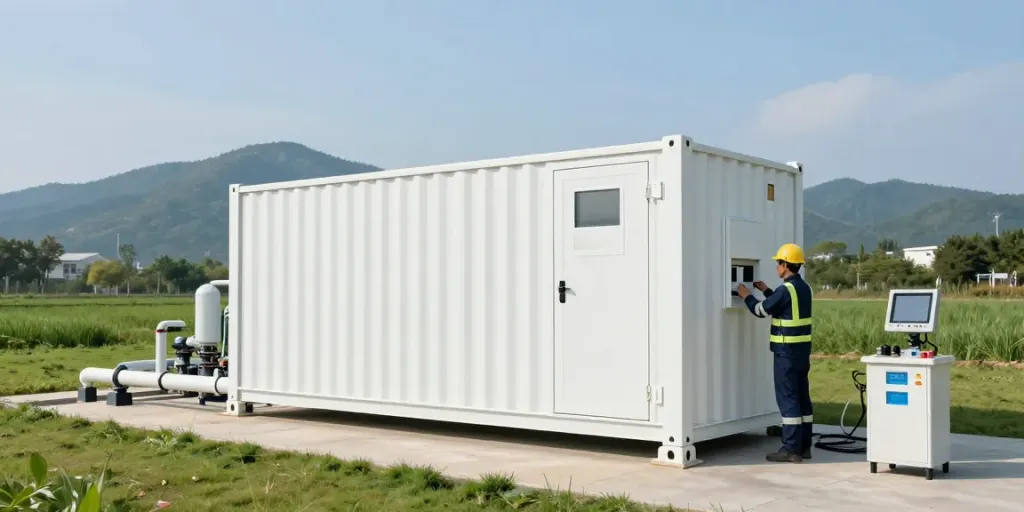
Containerized reclaimed water systems provide a compact and versatile solution for wastewater recycling, delivering several significant advantages. These pre-engineered units are designed for rapid deployment, making them ideal for a variety of settings including remote facilities and urban environments where space is limited.
Efficiency and Cost-Effectiveness
One of the primary benefits of containerized systems is their operational efficiency. By consolidating multiple treatment processes into a single, modular unit, businesses and municipalities can save on installation and operational costs compared to traditional, large-scale facilities. Additionally, the reduced footprint of these systems allows for faster and more economical implementation, especially in regions requiring immediate solutions for water scarcity.
Flexibility for Various Applications
Containerized reclaimed water systems are remarkably adaptable, capable of meeting the diverse needs of different sectors. They can be utilized for:
- Irrigation in agricultural fields
- Industrial processes requiring water
- Cooling water for power plants
- Potable water augmentation in municipal systems
This versatility makes them an essential tool for water reuse strategies, allowing stakeholders to implement tailored solutions that align with specific water demands.
Environmental Impact and Water Conservation
By integrating reclaimed water systems into their infrastructure, organizations can significantly contribute to environmental conservation. These systems help to:
- Reduce the volume of wastewater entering treatment facilities and natural water bodies
- Lower the dependency on freshwater sources, preserving ecosystems
- Minimize energy consumption associated with water transportation and treatment
The adoption of reclaimed water systems is not just a technical solution; it is a commitment to sustainable resource management that benefits both the economy and the environment.
Key Components and Technologies
Understanding the components that make up reclaimed water systems is essential for grasping how these technologies function efficiently and effectively.
Membrane Bioreactors (MBR)
MBR technology combines biological treatment with membrane filtration, allowing for the separation of solids and pathogens from the water. This method enhances the quality of treated water, making it suitable for various applications. MBR systems are particularly effective in urban environments where space is limited, providing a compact solution for wastewater treatment.
Ultrafiltration (UF) and Reverse Osmosis (RO)
Ultrafiltration membranes are utilized to remove suspended solids and microorganisms, while Reverse Osmosis is employed to eliminate dissolved solids and contaminants. Together, these processes ensure that the reclaimed water meets stringent safety standards for reuse, making it a reliable resource for industrial and agricultural needs.
Automation and Monitoring Systems
The integration of automation and monitoring technologies enhances the efficiency of reclaimed water systems. These systems enable real-time data collection and analysis, allowing operators to optimize performance, detect issues early, and manage water quality effectively. Automation also reduces the need for manual intervention, leading to lower operational costs and improved reliability.
Real-World Applications
Containerized reclaimed water systems have been successfully implemented in various real-world scenarios, demonstrating their practical benefits across sectors.
Municipal Water Reuse Projects
Many municipalities have adopted reclaimed water systems to supplement their water supply for irrigation, landscaping, and even potable uses. For example, a city might use reclaimed water for public parks and recreational areas, thus conserving potable water sources for essential uses.
Industrial Water Treatment Solutions
Industries such as manufacturing and energy production are increasingly utilizing reclaimed water systems to meet their water needs while minimizing environmental impact. By recycling process water, these industries can significantly cut costs and reduce their ecological footprint.
Decentralized Systems for Remote Areas
In remote or underserved regions, containerized reclaimed water systems can provide essential water services where traditional infrastructure is impractical. These modular units can be deployed quickly and efficiently, ensuring access to clean water for communities and businesses in need.
Future Trends in Reclaimed Water Systems
As technology advances and the demand for sustainable water solutions grows, several trends are emerging in the field of reclaimed water systems.
Innovations on the Horizon
Emerging technologies such as advanced materials for filtration, enhanced biological treatment processes, and artificial intelligence for system monitoring and management are set to revolutionize reclaimed water systems. These innovations promise to improve efficiency, reduce costs, and enhance water quality even further.
Challenges and Considerations for the Future
Despite the numerous benefits, challenges remain in the widespread adoption of reclaimed water systems. These include public perception, regulatory hurdles, and the need for significant capital investment. Overcoming these challenges will require stakeholder engagement, education, and supportive policy frameworks.
Implementing Smart Water Management Strategies
The future of water management lies in the integration of reclaimed water systems with smart technology. By employing data analytics and IoT devices, stakeholders can create a more responsive and efficient water management system that adapts to real-time conditions and user needs.
What does "reclaimed water system" mean?
A reclaimed water system refers to the process and infrastructure used to treat wastewater to make it suitable for reuse. This includes everything from collection and treatment to distribution for various applications.
Is reclaimed water cheaper than regular water?
In many cases, reclaimed water can be less expensive than traditional freshwater sources, especially when accounting for the costs associated with sourcing, treating, and distributing potable water. Additionally, it reduces pressure on freshwater supplies, making it a cost-effective alternative for irrigation and industrial uses.
What are the disadvantages of using recycled water?
While there are many benefits to using reclaimed water, challenges such as potential health risks, regulatory restrictions, and public perception can pose obstacles to widespread adoption. Addressing these issues through education and transparent communication is crucial for fostering acceptance.
How does a water reclaim system work?
A water reclaim system works by collecting wastewater, treating it through various processes (such as MBR, UF, and RO), and then distributing the treated water for reuse. The specific processes can vary based on the intended use and regulatory requirements.
What is reclaimed water used for?
Reclaimed water is utilized for a variety of applications including agricultural irrigation, industrial processes, cooling systems in power plants, and landscape irrigation. Its versatility makes it an invaluable resource for conserving freshwater supplies and promoting sustainability.