The Evolution of Aerospace CNC Machining
The aerospace industry has undergone significant changes since the dawn of flight, particularly with advancements in manufacturing technology. Among these innovations, CNC (Computer Numerical Control) machining has become a cornerstone in the production of precise and complex aerospace components. As a leader in this space since 2003, Honscn offers cutting-edge CNC machining services tailored to the specific demands of aerospace applications. With a commitment to professional craftsmanship and efficiency, the company highlights the critical role of CNC machining in ensuring the quality and safety of aerospace parts.
History of CNC Technology in Aerospace
CNC technology has its roots in the 1940s and 1950s, initially revolutionizing the manufacturing sector by enabling automated cutting and shaping of materials. The integration of this technology into the aerospace industry began in earnest during the 1970s, driven by the need for higher precision in component fabrication for aircraft and spacecraft. Military applications, in particular, propelled advancements as stringent regulations required dimensions and tolerances that were previously unattainable with manual methods. By the time the 1990s rolled around, the rise of CAD (Computer-Aided Design) further enhanced CNC capabilities, allowing for the creation of complex geometries necessary for modern aerospace designs.
Current Trends in Aerospace CNC Machining
Today, the aerospace sector is seeing a shift towards more advanced CNC machining techniques, such as multi-axis machining and 3D printing. These innovations allow manufacturers to produce intricate designs with less material waste and improved time efficiencies. Sustainability is also becoming a significant concern, driving companies to utilize materials and processes that minimize environmental impact. In this landscape, leading aerospace cnc parts manufacturers are focusing on reducing their carbon footprint while maintaining competitive pricing and high standards of quality.
How CNC Machining Enhances Precision and Efficiency
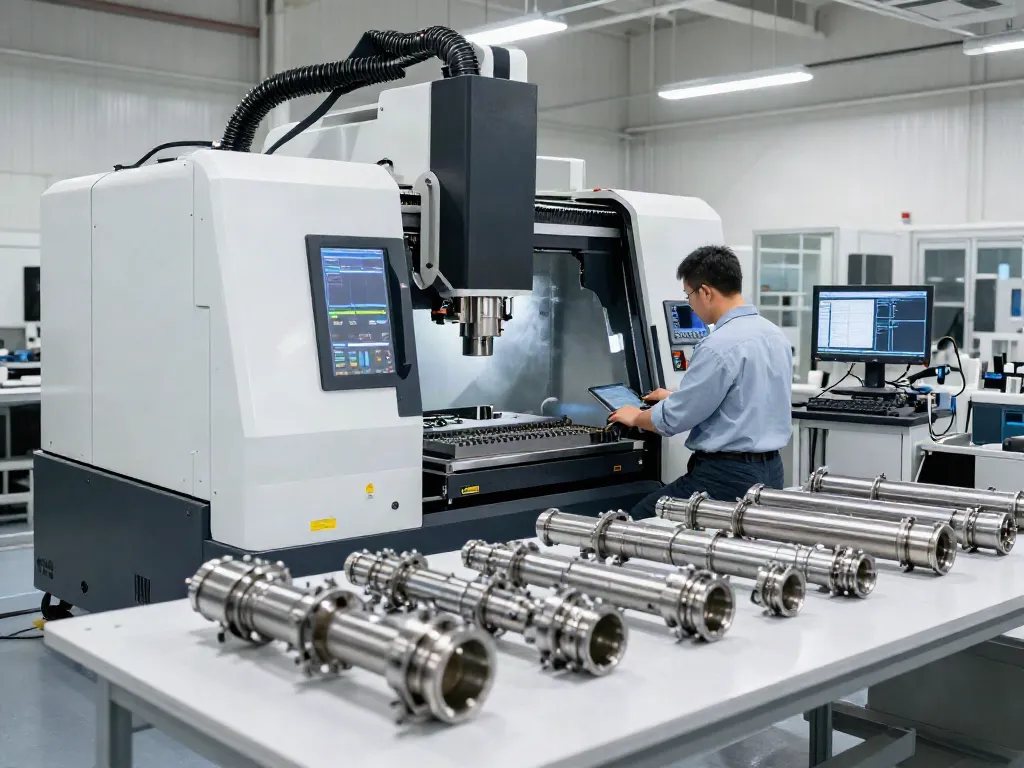
Precision is not just a goal in aerospace manufacturing; it is a necessity. CNC machining provides unparalleled consistency and accuracy, ensuring that parts meet the exact specifications needed for safety and performance. The automation inherent in CNC technology reduces the likelihood of human error, which is crucial when fabricating components such as turbine blades or landing gear. Moreover, CNC systems can typically operate continuously, allowing for higher productivity and faster turnaround times compared to traditional machining methods.
Key Advantages of Leading Aerospace CNC Parts Manufacturers
The advantages that CNC machining offers are particularly pronounced in the aerospace sector. By partnering with skilled suppliers, companies can leverage cutting-edge technology and expertise to enhance their manufacturing processes. Some of the most notable benefits include:
Cost Benefits of CNC Machining for Aerospace Parts
While the initial investment in CNC machinery can be substantial, the long-term cost savings are significant. CNC machining reduces labor costs as machines can operate with minimal human oversight. Additionally, the precision of CNC means that material is used more efficiently, resulting in lower waste and budget-friendly production runs. For aerospace manufacturers looking to balance quality with cost-effectiveness, CNC machining emerges as a compelling solution.
Time Efficiency: Rapid Prototyping and Production
CNC machining excels in rapid prototyping, allowing designers to create and test prototypes quickly and efficiently. This speed is crucial in aerospace development, where time-to-market can mean the difference between success and failure. When new aircraft models or components are designed, having the ability to iterate rapidly on prototypes means that potential design flaws can be identified and resolved quickly, thereby accelerating the overall development process.
Quality Control and Precision Engineering Standards
In the aerospace industry, components must adhere to strict quality standards. Leading aerospace CNC parts manufacturers implement rigorous quality control measures throughout the production process. This includes regular calibration of CNC machines, adherence to aerospace industry certifications, and continuous monitoring of production output. Such diligence ensures that every part manufactured is not only precise but also compliant with safety regulations.
Popular Materials Used in Aerospace CNC Machining
The materials chosen for aerospace components significantly impact their performance, durability, and cost. A thorough understanding of material properties is essential for effective CNC machining.
Commonly Used Metals for Aerospace Components
Metals such as titanium, aluminum, and nickel alloys are frequently used in aerospace manufacturing due to their strength-to-weight ratios and corrosion-resistant properties. Titanium is particularly valued for its high strength and lightweight nature, making it ideal for critical applications, including structural components and high-performance engines. Aluminum, with its excellent machinability and resistance to corrosion, is widely used in airframes and various aircraft structures.
Advantages of Plastic Materials in Aerospace Applications
While metals dominate aerospace components, advanced plastics play an increasingly important role. Materials such as PEEK (Polyether Ether Ketone) and PMMA (Polymethyl Methacrylate) offer significant benefits, including lower weight, resistance to corrosion, and ease of machining. These lightweight alternatives contribute to overall fuel efficiency, making them favorable in applications such as interior components and non-structural elements.
Material Selection: Impact on Performance and Cost
Choosing the right material involves a careful balance between performance requirements and budget constraints. Different applications will demand specific characteristics, such as thermal stability or impact resistance. Aerospace manufacturers must work closely with material suppliers and CNC machining experts to identify the best options for each project, optimizing both performance and economic viability.
Case Studies: Successful CNC Machining Projects in Aerospace
Real-world examples highlight the transformative power of CNC machining in the aerospace sector, demonstrating how companies have achieved success through innovative manufacturing solutions.
Prototype Development for New Aircraft Models
A notable case involved the rapid prototyping of a new aircraft wing design. Utilizing 5-axis CNC machining, the team was able to produce complex geometries that would have been impossible with traditional methods. The speed of the prototyping process allowed for multiple iterations, leading to a final design that enhanced aerodynamics and fuel efficiency.
Mass Production of Critical Aerospace Components
Another successful project involved the mass production of engine components using CNC machining. By implementing automated processes and strict quality control measures, the manufacturer reduced production time by 30% while maintaining adherence to industry standards. This efficiency not only improved their bottom line but also positioned them as a reliable supplier in the highly competitive aerospace market.
Lessons Learned and Best Practices from Industry Leaders
Throughout these projects, several best practices emerged, including the importance of thorough pre-production planning and continual investment in technology. Leading manufacturers continuously assess their equipment and processes, ensuring that they remain at the forefront of CNC machining technology. Additionally, fostering a culture of innovation and quality among employees helps sustain competitive advantages in the evolving aerospace sector.
The Future of Aerospace CNC Machining
The aerospace industry is on the cusp of significant changes driven by emerging technologies and evolving demands. CNC machining is poised to play a key role in shaping this future.
Emerging Technologies in CNC Machining
Innovations such as artificial intelligence and machine learning are beginning to be integrated into CNC systems, optimizing tool paths and production schedules in real-time. These advancements not only reduce cycle times but also enhance accuracy by allowing machines to learn from previous production runs. Furthermore, the integration of IoT (Internet of Things) technologies will enable manufacturers to monitor their equipment remotely, improving maintenance strategies and minimizing downtime.
Predictions for Industry Standards and Innovations by 2026
By 2026, it is expected that aerospace manufacturing standards will evolve to incorporate more stringent requirements for sustainability. This shift will compel manufacturers to adopt eco-friendly materials and processes, thus reducing the industry's overall carbon footprint. Furthermore, advancements in additive manufacturing are likely to complement CNC machining, providing new pathways for producing complex aerospace parts that can lead to further efficiencies and innovations.
Sustainability and the Future of Aerospace Materials
Sustainability will drive significant changes in material selection and manufacturing processes. The aerospace sector is increasingly focusing on using recycled materials and biocomposites as alternatives to traditional materials, balancing performance and environmental impact. This trend not only meets regulatory requirements but also caters to a growing market demand for greener alternatives.
What are the leading aerospace CNC parts manufacturers?
Several manufacturers stand out in the aerospace CNC machining field, recognized for their commitment to quality, innovation, and customer satisfaction. Companies like Honscn exemplify the best practices and advancements shaping the future of aerospace manufacturing.
How does CNC machining improve aerospace manufacturing?
CNC machining enhances aerospace manufacturing through its precision, efficiency, and ability to produce complex geometries consistently. This technology minimizes human error and maximizes productivity, enabling manufacturers to meet the stringent requirements of the aerospace industry.
What materials are commonly used in aerospace parts production?
Common materials include metals such as aluminum, titanium, and nickel alloys, as well as advanced plastics like PEEK and PMMA. Each material is selected based on specific applications and performance criteria.
What are the best practices in aerospace CNC machining?
Best practices involve maintaining rigorous quality control, leveraging rapid prototyping for design iterations, and investing in advanced CNC technology. Collaboration between design, engineering, and manufacturing teams is also crucial for optimizing production workflows.
How important is precision in aerospace manufacturing?
Precision in aerospace manufacturing is of utmost importance due to safety requirements and regulatory standards. Even minor deviations in component specifications can lead to catastrophic failures, making precision a critical focus for manufacturers.