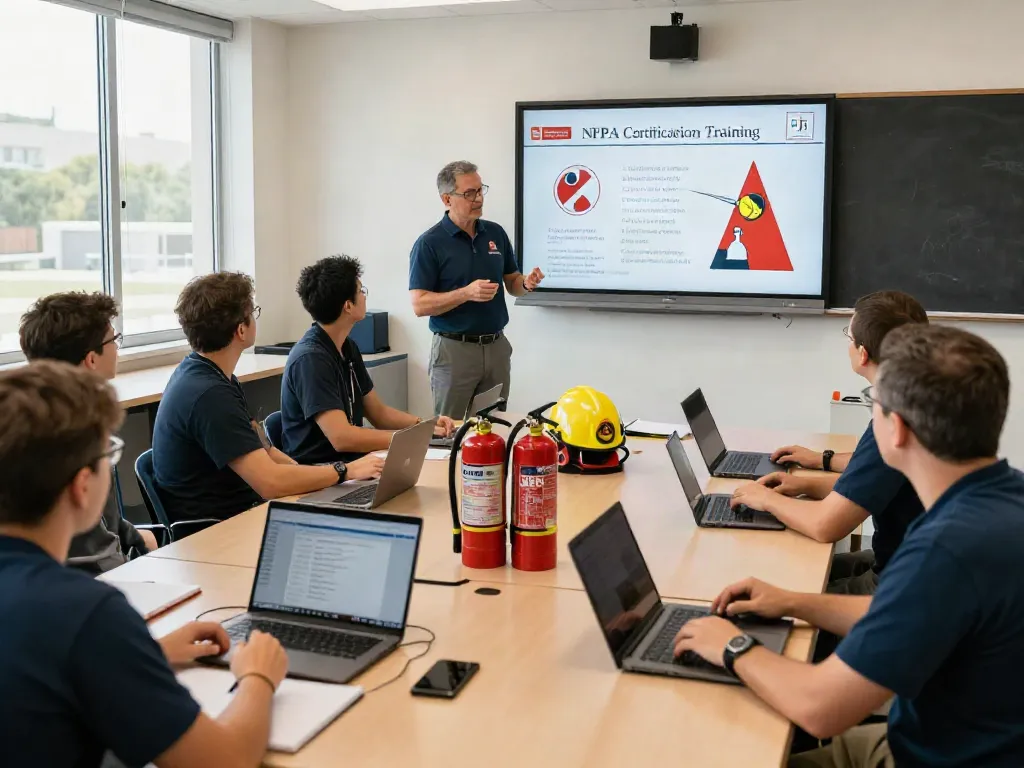
Understanding NFPA Certification Training
In a world increasingly concerned with safety, the importance of comprehensive fire safety training cannot be overstated. The National Fire Protection Association (NFPA) provides a framework that helps professionals learn essential skills to prevent and combat fires effectively. Whether you are a facilities manager, safety officer, or part of a firefighting team, obtaining NFPA Certification Training can significantly enhance your capabilities and career prospects.
What is NFPA Certification Training?
NFPA Certification Training is a structured program designed to equip individuals with the knowledge and skills necessary to ensure fire safety in various environments. It encompasses a broad range of topics centered around fire prevention, risk management, and emergency response. The training is recognized globally and is tailored to meet the needs of professionals across multiple industries, including construction, manufacturing, healthcare, and more.
Importance of Fire Safety Training
Fire safety training is critical not only for compliance with regulations but also for fostering a culture of safety within organizations. Well-trained employees are better prepared to act in emergencies, potentially saving lives and minimizing property damage. Moreover, organizations with robust fire safety measures can avoid costly liabilities and ensure business continuity.
Overview of NFPA Standards and Qualifications
The NFPA has developed numerous standards that serve as benchmarks for fire safety practices. Their certifications, which include the Certified Fire Protection Specialist (CFPS) and Certified Fire Inspector, validate an individual’s knowledge and competency in the field. Understanding these standards is vital for anyone looking to advance their career in fire safety.
Benefits of NFPA Certification Training
Investing in NFPA Certification Training yields numerous advantages for professionals and organizations. The benefits extend beyond mere compliance, enhancing overall safety culture and professional credibility.
Enhanced Career Opportunities for Fire Safety Professionals
As industries evolve and the need for stringent safety measures increases, professionals with NFPA certifications are often prioritized in hiring. These certifications not only demonstrate a commitment to safety but also equip individuals with the skills to tackle complex challenges in fire management, making them valuable assets to their organizations.
Improved Workplace Safety Standards
Organizations that mandate NFPA training for their employees generally report improved safety standards. Trained staff can better identify hazards and implement effective safety protocols, reducing the likelihood of incidents and fostering a safer workplace environment.
Access to Expert Knowledge and Resources
Participants in NFPA Certification Training gain exclusive access to a wealth of resources and expert insights. This knowledge base helps professionals stay current with evolving standards and best practices, ensuring that they can effectively manage fire risks and comply with legal requirements.
How to Choose the Right NFPA Certification Program
With multiple training programs available, selecting the right NFPA certification can be daunting. Here are key factors to consider when making your choice.
Evaluating Training Providers
Not all training providers are created equal. It’s essential to choose an authorized provider like Burraq Business Consulting, which has a proven track record in fire safety education. Check for credentials, instructor qualifications, and course reviews to ensure that you are receiving high-quality training.
Types of NFPA Certification Available
Different certifications address varying aspects of fire safety. For instance, the CFPS focuses on overall fire protection systems, while other certifications may target specific areas such as electrical safety or building codes. Assess your career goals and industry requirements to choose the most relevant certification.
Factors to Consider: Cost, Duration, and Format
When evaluating certification options, consider the cost of the program, its duration, and the format (in-person, online, or hybrid). Balancing these factors with your schedule and budget will help you select the best program to fit your needs.
Preparing for NFPA Certification Exams
Preparation is key to success in any certification exam. By following specific study strategies and utilizing available resources, candidates can increase their chances of passing the NFPA certification exams on their first attempt.
Study Strategies and Resources
To prepare effectively, candidates should create a study plan that includes reviewing NFPA publications, taking practice exams, and participating in study groups. Engaging with peers can provide different perspectives and enhance understanding of complex topics.
Common Challenges in Certification Process
Many candidates face challenges such as time management and anxiety related to exam performance. Developing a routine that includes regular study sessions can alleviate these issues and boost confidence as the exam date approaches.
Real-World Case Studies and Success Stories
Learning from the experiences of others can be incredibly beneficial. Case studies showcasing how previous candidates navigated their certification journey provide insight into effective strategies and common pitfalls to avoid. Such real-life examples can motivate and guide you through the certification process.
Future Trends in Fire Safety Training (2026 and Beyond)
As the fire safety industry evolves, training methods and content will need to adapt to emerging technologies and changing regulations.
Innovations in NFPA Certification Training
The future of NFPA Certification Training is likely to include more interactive and engaging elements, such as virtual reality simulations and gamified learning experiences. These innovations will make training not only more effective but also more appealing to diverse learning styles.
The Role of Technology in Fire Safety Training
Technology will continue to play a crucial role in fire safety training. Online platforms and mobile applications will enable easier access to training resources, allowing professionals to learn at their own pace and on their own schedules.
Predictions for Industry Standards and Regulations
As global safety standards evolve, certification programs will likely incorporate new regulatory requirements and best practices. Staying informed about these changes will be essential for fire safety professionals aiming to maintain compliance and enhance safety protocols.
How do I become NFPA certified?
To become NFPA certified, individuals must complete an approved training program and pass the relevant certification exam. Each certification has its criteria and prerequisites, so it's essential to research the specific pathway you intend to follow.
Are NFPA certifications worth it?
Absolutely. NFPA certifications are widely recognized and respected in the industry. They represent a commitment to safety and a mastery of critical fire protection principles, which can significantly enhance career prospects and earning potential.
How long does it take to get NFPA certification?
The time required to achieve NFPA certification varies based on the specific program and study commitment. Candidates should factor in the time needed for coursework, study, and exam registration when planning their schedules.
How much does NFPA certification cost?
Costs associated with certification can vary widely depending on the course provider and the certification type. It’s essential to consider this investment as a crucial step in enhancing your professional qualifications.
What are the requirements for NFPA certification?
Requirements for NFPA certification typically include completing an approved training program and passing an examination. Specific requirements vary by certification, so prospective candidates should review the guidelines established by the NFPA prior to enrollment.