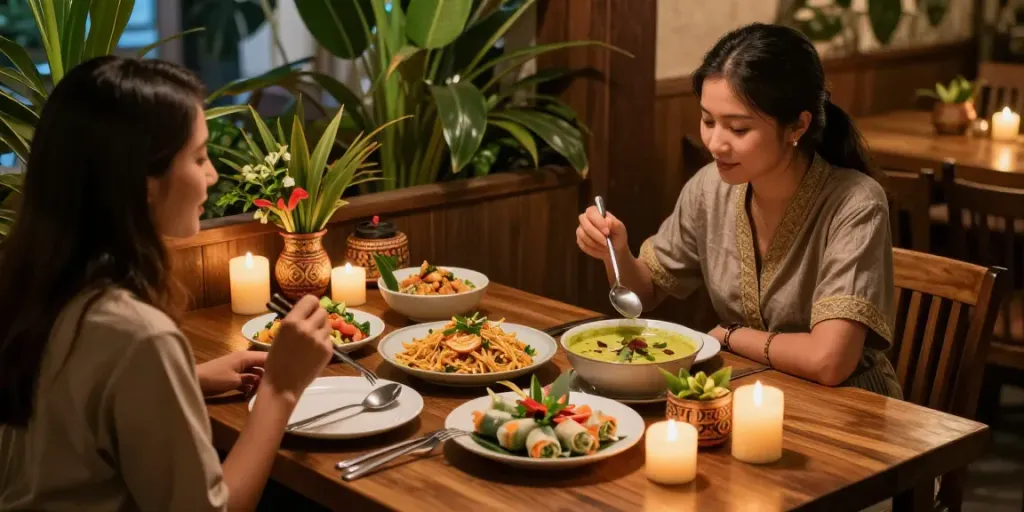
The Rise of Culinary Tourism and Its Impact on Restaurants
Culinary tourism is increasingly becoming a significant reason travelers choose destinations across the globe, with a particular emphasis on regions like Indonesia. Tourists are now more interested in the local cuisine, leading to an explosion of culinary offerings that cater to international tastes. This trend not only enhances the travel experience but also plays a crucial role in local economies. According to recent statistics, 58 percent of foreign tourists state that engaging in local culinary experiences greatly influences their travel decisions. As such, restaurants, especially those emphasizing distinctive local fare, have seen a marked increase in patronage. Websites like kinalyrestaurant.com showcase how food can serve as a major cultural ambassador, enhancing a restaurant's reputation and drawing in tourists eager to explore authentic flavors.
Defining Culinary Tourism
Culinary tourism, also known as food tourism, refers to the exploration of food as the purpose of travel. It encompasses everything from trying local dishes to participating in cooking classes, food festivals, and farm visits. This phenomenon allows travelers to connect with cultures through their culinary practices and preferences, making their experiences more enriching and memorable.
How it Shapes Traveler Choices
When planning their trips, travelers frequently seek out destinations that promise diverse and authentic culinary experiences. Restaurants that highlight local ingredients, unique preparation methods, and traditional recipes often find themselves at the forefront of travelers' itineraries. The demand for food-centric experiences has led establishments to innovate and curate menus that reflect not only their culinary heritage but also cater to the evolving tastes of global visitors.
Impact on Local Economies
The rise of culinary tourism brings significant benefits to local economies. As more tourists flock to destinations for their food, local farmers, suppliers, and artisan food producers can thrive. This creates a ripple effect, boosting job creation and encouraging the preservation of local culinary traditions. Moreover, the financial influx from tourism can lead to improvements in local infrastructure, creating a more vibrant community.
Popular Thai Dishes That Attract Tourists
Thai cuisine has long been celebrated for its vibrant flavors, aromatic spices, and visually appealing presentations. Dishes such as Pad Thai, Tom Yum Goong, and Green Curry are not just popular among locals, but they also attract tourists seeking authentic culinary experiences. At Kinaly Restaurant, a focus on these signature dishes showcases why Thai food is a favorite among visitors looking to indulge while traveling through Southeast Asia.
Signature Dishes of Kinaly Restaurant
Kinaly Restaurant is known for its ability to balance traditional techniques with modern culinary trends. Signature dishes include:
- Pad Thai: Stir-fried rice noodles with shrimp, tofu, peanuts, and bean sprouts, reflecting a perfect balance of sweet, sour, and savory.
- Green Curry: A rich and spicy coconut curry featuring fresh vegetables and your choice of meat, embodying the essence of Thai flavors.
- Tom Yum Goong: A hot and sour soup that tantalizes taste buds with shrimp, lemongrass, and kaffir lime leaves.
Thai Food Trends of 2026
Looking forward to 2026, several trends are set to shape the Thai culinary landscape. These include an emphasis on sustainability with locally sourced ingredients, the rise of vegan and vegetarian versions of traditional dishes, and a fusion of traditional Thai flavors with global cuisines. Restaurants that adapt to these trends will likely capture a broader audience.
What Makes Thai Cuisine Unique
Thai cuisine stands out for its harmonious blend of flavors—sweet, sour, salty, and bitter—achieved through the use of fresh herbs and spices. Unique ingredients like fish sauce, lime juice, and palm sugar define Thai dishes, contributing to their distinctive taste. Additionally, the emphasis on presentation plays a significant role in Thai culinary art, making meals visually appealing and more enjoyable.
Enhancing Dining Experience for Visitors
To truly captivate tourists, restaurants must focus on enhancing the overall dining experience. This includes everything from the ambiance and decor to customer service and the freshness of ingredients used.
Creating Ambiance and Cultural Vibe
A restaurant’s atmosphere is critical to attracting and retaining visitors. Traditional decor, music, and even the staff's attire can create an immersive cultural experience. For instance, Kinaly Restaurant incorporates elements of Thai heritage into its decor, enabling diners to feel as though they've been transported to Thailand itself.
Importance of Customer Service
Exceptional service can elevate a dining experience from good to unforgettable. Training staff to be knowledgeable about the menu and attentive to customer needs fosters a welcoming environment. Restaurants that prioritize customer interaction often see repeat visitors, which is essential in a competitive industry.
Utilizing Local Ingredients
Restaurants that source their ingredients locally not only support local communities but also enhance the freshness and quality of their dishes. This approach resonates with consumers who are increasingly concerned about sustainability and ethical practices. In 2026, this trend will likely continue to gain momentum as guests express a preference for organic and locally produced food.
Marketing Strategies for Restaurants
Effective marketing strategies are essential for attracting tourists and stand out in a saturated market. Restaurants must leverage various platforms to create visibility and foster engagement with potential customers.
Leveraging Social Media for Visibility
Today, social media is one of the most powerful tools for restaurants. By sharing visually appealing content, engaging stories, and behind-the-scenes videos, restaurants can attract attention and build excitement. Platforms like Instagram and Facebook are ideal for showcasing culinary masterpieces and customer experiences.
Engaging with Online Reviews
Online reviews significantly influence consumer behavior. Engaging with customers through platforms like TripAdvisor or Yelp can enhance a restaurant’s reputation. Acknowledging feedback, whether positive or negative, demonstrates a commitment to customer satisfaction and encourages new patrons to visit.
Creating Unique Experiences to Stand Out
Offering unique experiences such as cooking classes, tasting menus, or themed dining events can differentiate a restaurant from competitors. These experiences provide added value to guests and encourage them to share their experiences with others, further promoting the establishment.
Future Trends in Dining and Culinary Experiences
As we move closer to 2026, several trends are expected to shape the dining landscape. The industry must adapt to changes in consumer preferences and emerging technologies to stay relevant and successful.
Predictions for the Food Industry in 2026
Predictions for the food industry indicate a shift towards plant-based dining, with more restaurants offering vegan and vegetarian options. Sustainability will become increasingly important, and establishments that implement eco-friendly practices will likely appeal to conscious consumers.
Emerging Technologies in Restaurants
The integration of technology in dining experiences is set to grow. From contactless payments and online reservations to AI-driven menu suggestions, technology will play a crucial role in improving efficiency and customer experience. Furthermore, augmented reality (AR) might be employed to enhance dining experiences, making it more interactive and engaging.
Shifting Consumer Preferences Post-Pandemic
The aftermath of the pandemic has led to changes in consumer behavior. Diners are now more focused on hygiene, quality, and safety. Restaurants that maintain high standards of cleanliness and adapt to the evolving needs of consumers will emerge successfully in this new landscape.