Understanding Event Rental KSA: A Comprehensive Overview
In the ever-evolving landscape of event planning in Saudi Arabia, the role of event rentals cannot be overstated. Whether you are organizing a wedding, corporate event, or an intimate gathering, an array of equipment and services is essential for creating the perfect ambiance and experience. Event rental KSA encompasses everything from furniture and decor to audio-visual equipment. When exploring options, Event rental ksa provides comprehensive insights into achieving your vision with ease.
What is Event Rental KSA?
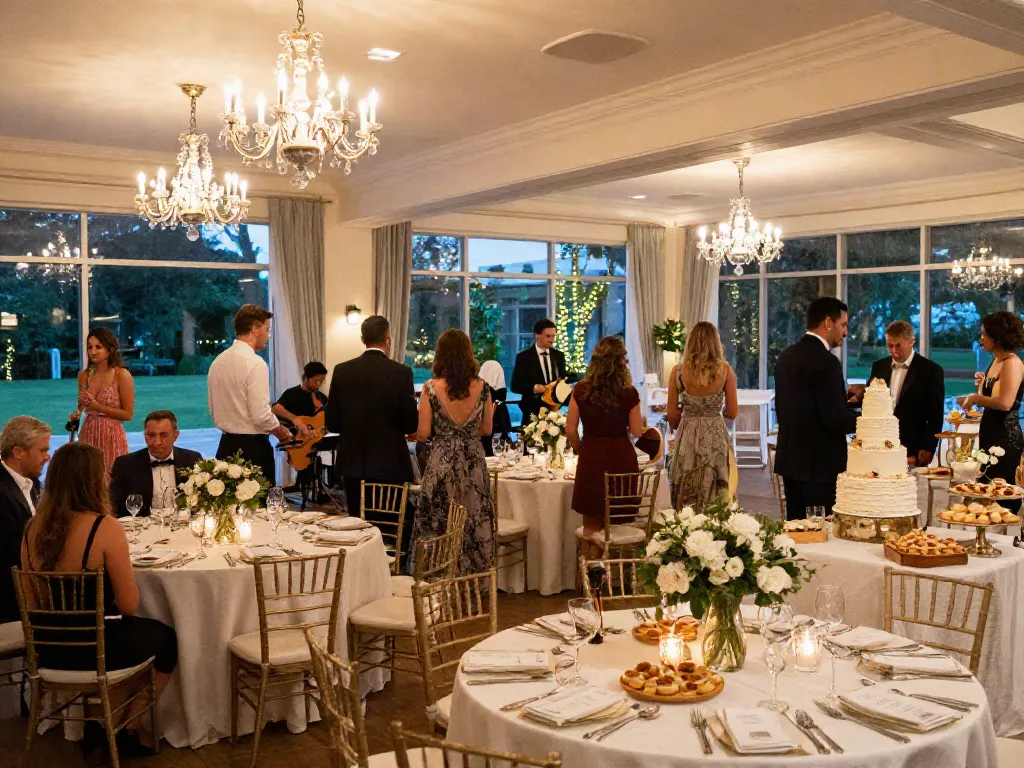
Event rental KSA refers to the services that provide essential equipment and materials for events across Saudi Arabia. This includes furniture such as chairs, tables, and lounge sets, along with decorative items, tents for outdoor events, and high-quality audio-visual equipment. The event rental industry is a crucial aspect of event planning that enables hosts to curate experiences that are both stunning and functional.
Key Services Offered in Event Rentals
- Furniture Rental: This encompasses tables, chairs, lounges, and decorative pieces tailored to fit different themes and occasions.
- Tent Rental: Essential for outdoor events, tent rentals provide shelter from unpredictable weather while also creating a dedicated space.
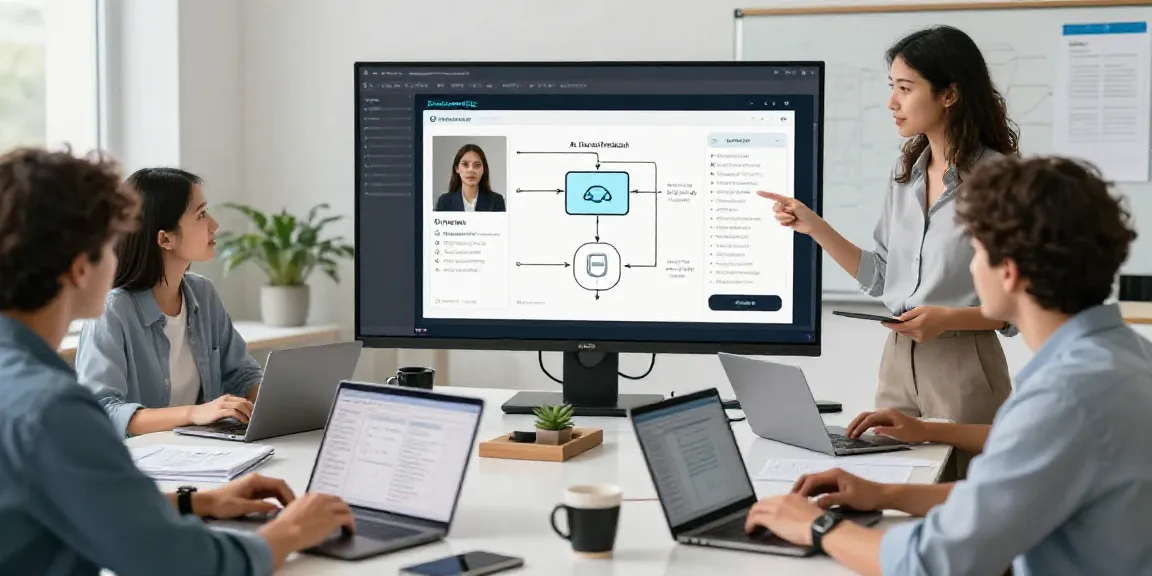
- Audio-Visual Equipment: High-quality sound systems, projectors, and lighting setups are crucial in ensuring that events are engaging and memorable.
- Catering Equipment: From buffet setups to serving utensils, having the right equipment is vital for a successful dining experience.
- Event Planning Services: Many rental companies also offer planning assistance, coordinating logistics and details to ensure smooth operations.
Importance of Professional Event Management
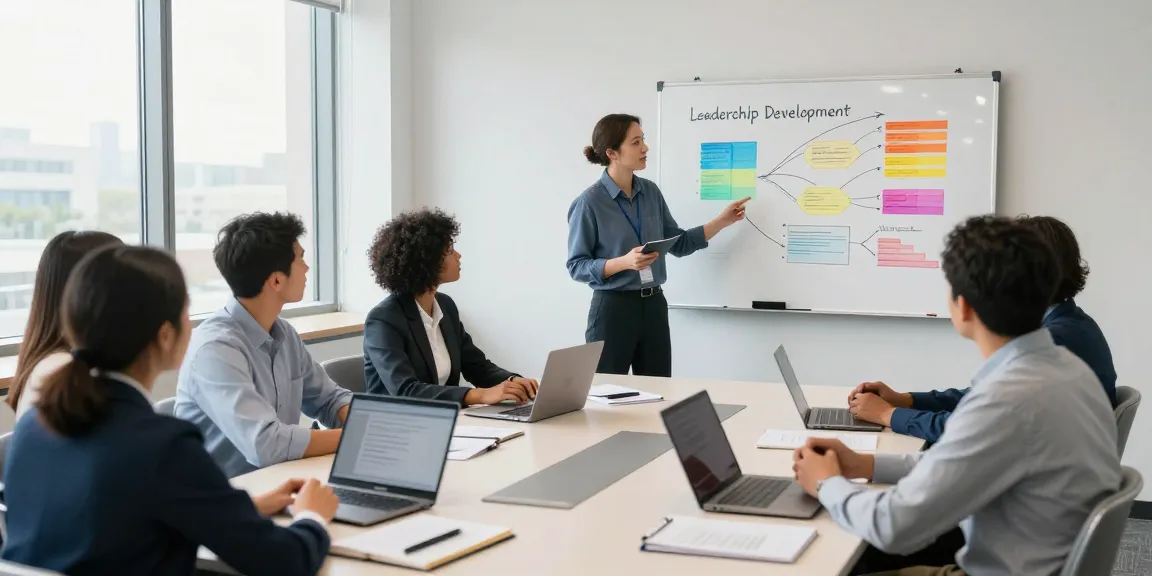
Engaging professional event management services can make a significant difference in the success of your event. These services ensure that everything runs smoothly, from coordinating with vendors to managing timelines. They bring experience and creativity to the planning process, ultimately enhancing the guest experience and allowing hosts to enjoy their events without the stress of oversight.
Planning Your Event: Step-by-Step Guide
Initial Planning and Venue Selection
The first step in planning a successful event is to outline your goals and objectives. Consider the type of event you want to host and who your audience will be. Next, selecting the right venue is crucial. The venue should accommodate your guest list while also aligning with the theme of your event. Factors like location accessibility, parking, and facilities should also be considered.
Choosing the Right Rental Equipment
Once your venue is secured, the next step involves deciding on the rental equipment that will best suit your needs. This includes assessing the space to determine what furniture and decor will work best. It's advisable to work closely with your rental provider to ensure that you choose items that enhance the aesthetic and functionality of your event.
Catering and Additional Services Considerations
Catering can often be one of the biggest expenses in event planning. Choose a caterer that aligns with your vision and offers services that fit your budget. Additionally, consider additional services such as bartending, security, and transportation, which can play a pivotal role in elevating the overall experience.
Designing Your Event: Aesthetic Elements that Matter
Creating a Unique Theme for Your Event
Establishing a theme early on sets the foundation for all decor decisions. Consider your audience and the message you wish to convey through your event. Themes can range from formal and elegant to relaxed and casual. Having a clear theme helps streamline the design process and ensures cohesion throughout the event.
Choosing Color Schemes and Decor
The color scheme you select will greatly impact the overall feel of your event. Choose colors that resonate with your theme and create the desired atmosphere. Decor elements such as centerpieces, table settings, and backdrop designs are critical in reinforcing your chosen colors and theme.
Lighting and Ambiance: Setting the Mood
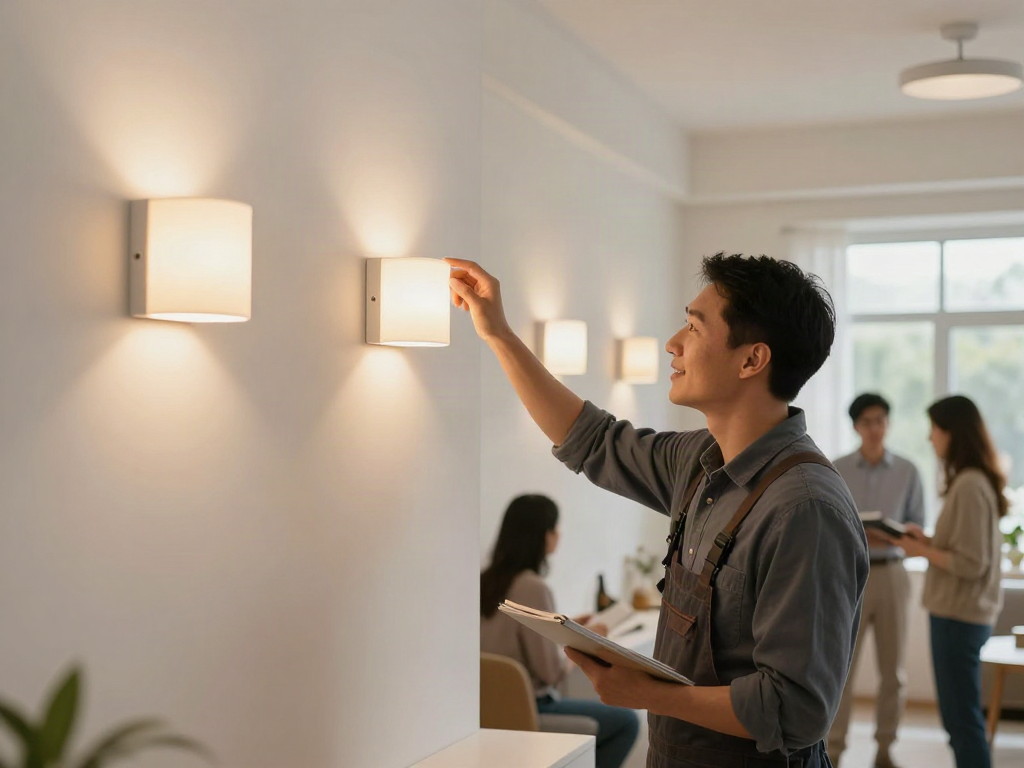
Lighting plays a crucial role in transforming the mood of an event. Utilizing a mix of ambient, task, and accent lighting can create an inviting atmosphere. Experiment with different lighting techniques to highlight key areas of your event space, ensuring a visually appealing setup.
Execution: Making Your Event Unforgettable
Day-of Coordination: Ensuring Smooth Operations
On the day of the event, having a dedicated team for coordination can alleviate stress and allow you to enjoy the occasion. This team will manage vendor arrivals, oversee setup and ensure that the schedule is followed. Effective communication among all parties involved is essential during this phase.
Handling Guests and Engagement Strategies
Creating engaging experiences for guests can significantly enhance their overall enjoyment of the event. Consider implementing entertaining elements, such as interactive displays, icebreakers, or live music, to keep the energy high and encourage guest interaction.
Post-Event Follow-Up: Gathering Feedback
After the event concludes, it is vital to gather feedback from attendees. This can be achieved through surveys or direct communication. Understanding what went well and what can be improved is essential for refining future events and ensuring success.
Future Trends in Event Rental KSA for 2026 and Beyond
Emerging Technologies in Event Planning
As technology continues to evolve, event planning is also embracing new innovations. Virtual reality (VR) and augmented reality (AR) are making waves in how events are conceptualized and experienced. Moreover, using event management software has become increasingly popular for streamlining operations and enhancing user experiences.
Sustainability Practices in Event Rentals
In 2026, sustainability will be more than just a trend; it will be a necessary practice. Event planners are increasingly sourcing rentals from companies that prioritize eco-friendly materials and logistics. Strategies such as waste reduction and recycling are becoming central to the planning process.
Adapting to Changing Client Needs and Preferences
The core of successful event planning lies in understanding and adapting to client needs. Flexibility and creativity will be key in responding to changing preferences, whether they relate to themes, catering, or technology integration.
What should I consider when renting equipment for my event?
When renting equipment, consider the size and layout of your venue, your event's theme, and the number of guests. It's also crucial to account for logistics, such as delivery, setup, and pickup times.
How can I create a cohesive design for my event?
Cohesion can be achieved by choosing a unified color palette and theme, ensuring that all decor, furniture, and equipment align with your vision. Collaborating with a professional designer can also help streamline this process.
What are the latest trends in event planning for 2026?
Upcoming trends indicate a growing influence of technology, a focus on sustainability, and an emphasis on personalized experiences for attendees. Flexibility and adaptability will also be crucial as client preferences shift.
How do I choose the right venue for my event?
Selecting the right venue involves considering capacity, location, amenities, and atmosphere. Venue visits and researching reviews can help inform your decision.
What should I do after my event ends?
After your event, ensure you follow up with guests through thank-you notes or surveys to gather feedback. Analyzing feedback helps refine future events and continue improving the experience for attendees.