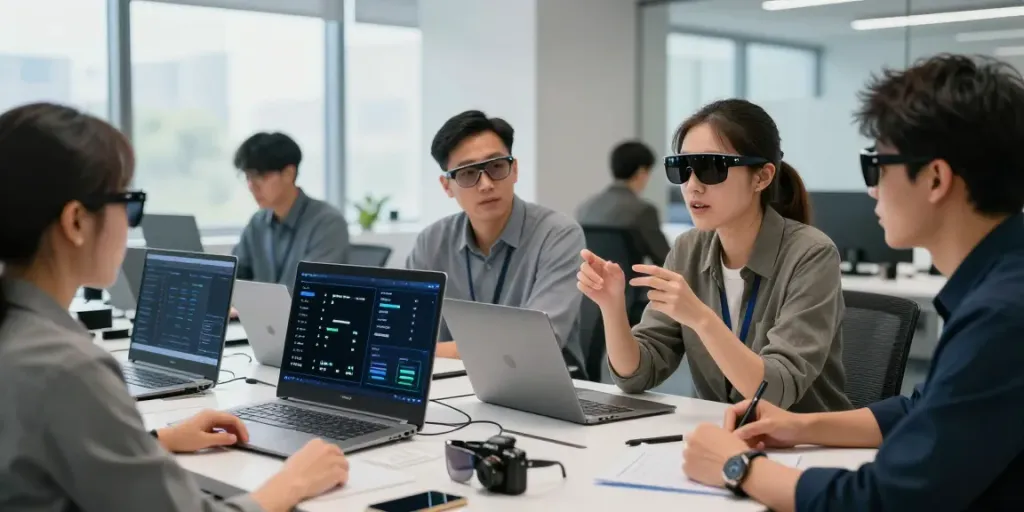
Understanding Smart Glasses and AI Technology
As the digital landscape continues to evolve, smart glasses equipped with artificial intelligence (AI) are making headlines. These innovative devices integrate technology into our daily lives, offering new functionalities that range from augmented reality (AR) applications to hands-free communication. Smart glasses promise to significantly change how we interact with our environment and process information. However, potential users are increasingly aware of the implications of using such devices, particularly concerning privacy and security. For those seeking in-depth insights into this area, bedfordsocialclub.com provides comprehensive insights into the latest developments.
What Are Smart Glasses?
Smart glasses are wearable technology that blends traditional eyewear with digital capabilities. These devices typically feature a heads-up display (HUD) that projects information directly into the user’s field of vision. They are equipped with cameras, sensors, and connectivity options that facilitate various functions like navigation, fitness tracking, and communication. Major tech companies have entered the smart glasses market, with products aimed at consumer use, professional applications, and augmented reality experiences.
The Role of AI in Smart Glasses
Artificial intelligence enhances smart glasses by processing vast amounts of data in real-time, allowing for smarter decision-making and personalization. AI algorithms can improve the user experience through features such as voice recognition, facial recognition, and gesture control. For instance, a user could simply speak commands or point at objects for their smart glasses to recognize and provide relevant information.
Current Trends in Smart Glasses Technology
- Augmented Reality Integration: Many new models focus on AR capabilities, overlaying digital information onto the real world.
- Improved Battery Life: Manufacturers are optimizing power consumption to enhance usability without frequent recharging.
- Health and Fitness Monitoring: Smart glasses are increasingly being equipped with health-tracking features, appealing to fitness enthusiasts.
- Collaborative Features: Businesses are utilizing smart glasses to facilitate remote assistance and enhance teamwork, particularly in fields like engineering and healthcare.
Privacy Concerns Surrounding Smart Glasses
The rise of smart glasses also raises significant privacy concerns. Users must consider how the data collected by these devices is used, stored, and shared. These concerns are not unwarranted, as data collection practices can often infringe upon user privacy, leading to broader societal implications.
Data Collection and User Privacy
Smart glasses can collect sensitive information, including biometric data, location tracking, and visual recordings. This data could be vulnerable to breaches or misuse if not adequately protected. Users are urged to remain informed about privacy policies and to use devices that prioritize data security.
Regulatory Landscape for AI Technologies
The regulatory environment surrounding AI and wearable technologies is rapidly evolving. Governments worldwide are crafting policies to address privacy and data protection issues. Companies that develop smart glasses must comply with these regulations to ensure user safety and trust.
Case Studies of Privacy Breaches
Several notable cases have demonstrated the potential for privacy violations associated with wearable technology. For example, facial recognition capabilities have sparked debates about consent and surveillance, highlighting the need for robust legal frameworks. Organizations need to implement strict protocols to mitigate these risks.
ASEAN's Approach to Online Scams
With the rise of digital technology, online scams have proliferated in the ASEAN region, prompting immediate action from authorities and organizations to combat this growing threat. The region has been particularly susceptible due to increased internet penetration and smartphone usage.
The Rise of Online Scams in the Region
Online scams take various forms, including phishing, identity theft, and investment fraud. The rise of social media has also contributed to the dissemination of fraudulent schemes, deceiving unsuspecting users.
Efforts to Combat Scams in ASEAN Countries
ASEAN countries have begun to collaborate on initiatives to combat online scams. This includes raising public awareness through educational programs, enhancing legal frameworks, and working with tech companies to create safer online environments.
Implications for Users and Businesses
The rise of online scams poses significant risks for both individual users and businesses. Users face potential financial loss and identity theft, while companies may suffer reputational damage and financial penalties.
Commercial Vehicle Market Trends in Indonesia
The commercial vehicle market in Indonesia is witnessing substantial growth, driven by rising economic activities and infrastructure development. As the country continues to invest in public transportation and logistics, the demand for commercial vehicles is anticipated to soar.
Market Growth Statistics for 2026
Recent studies estimate that the Indonesian commercial vehicle market will reach 71,759 units by 2026, marking a robust recovery post-pandemic. Factors contributing to this growth include increasing urbanization and the need for efficient transportation solutions.
Factors Driving Demand for Commercial Vehicles
- Infrastructure Development: Government investments in infrastructure projects boost demand for trucks and vans.
- Logistics Expansion: E-commerce growth necessitates a fleet of commercial vehicles for distribution.
- Sustainability Trends: There is a growing preference for eco-friendly vehicles, influencing market dynamics.
Impact of Economic Conditions on Vehicle Sales
Economic fluctuations directly affect vehicle sales. During periods of economic growth, businesses are likely to invest in upgrading their fleets, while economic downturns can lead to diminished demand.
Future Developments and Predictions
The next few years are critical for both technology and commercial markets. Looking ahead, we can expect numerous innovations and shifts across various sectors.
Innovations Expected in Smart Glasses
Future iterations of smart glasses will likely feature advanced AI capabilities, enhanced AR experiences, and improved user interfaces. The integration of 5G technology will also play a crucial role in enabling real-time data processing and communication.
Predictions for Privacy Policies in Tech
As technology evolves, so too will the privacy frameworks that govern it. Experts predict that we will see stricter regulations and greater accountability for tech companies regarding data collection and user consent.
Preparing for Future Economic Shifts
Businesses and consumers must remain agile in adapting to economic changes. Understanding market dynamics and consumer behavior will be essential for navigating the uncertainties ahead.
What Are the Potential Impact of Global Trade Wars?
Global trade tensions can significantly influence markets, causing disruptions across supply chains and affecting prices. Stakeholders must remain vigilant and prepared for potential shifts in trade policies and their repercussions.